Engineering the Invisible: The Physics of Cold-Air Diffusion for Large-Scale Commercial Scenting (2027)
2027 Cold-Air Diffusion Technical Blueprint
- Sub-Micron Nebulization: Engineering aromatic droplets below 1 micron for long suspension in ambient air.
- Waterless and Heat-Free: Using high-pressure filtered air to preserve fragile top notes.
- HVAC Integration: Applying airflow physics for even scent distribution through commercial ventilation ducts.
- Zero-Residue Dry Mist: Calibrating surface tension so atomized oil does not settle on furniture or flooring.
- Molecular Stability: Validating atomized oils in high-airflow environments before commercial rollout.
In the global luxury landscape of 2027, the atmospheric identity of a commercial space, whether it is a five-star hotel lobby or a flagship boutique, is as critical as its interior design. Scenting a 1,000 cubic meter volume is not a simple decorative task. It requires a move away from heat or ultrasonic methods toward cold-air diffusion technology.
At Jinhua Loyal Crafts, we treat commercial scenting as a discipline of fluid dynamics and aerosol science. This guide explains how our R&D lab engineers invisible brand identity for B2B partners.
1. The Science of Sub-Micron Nebulization
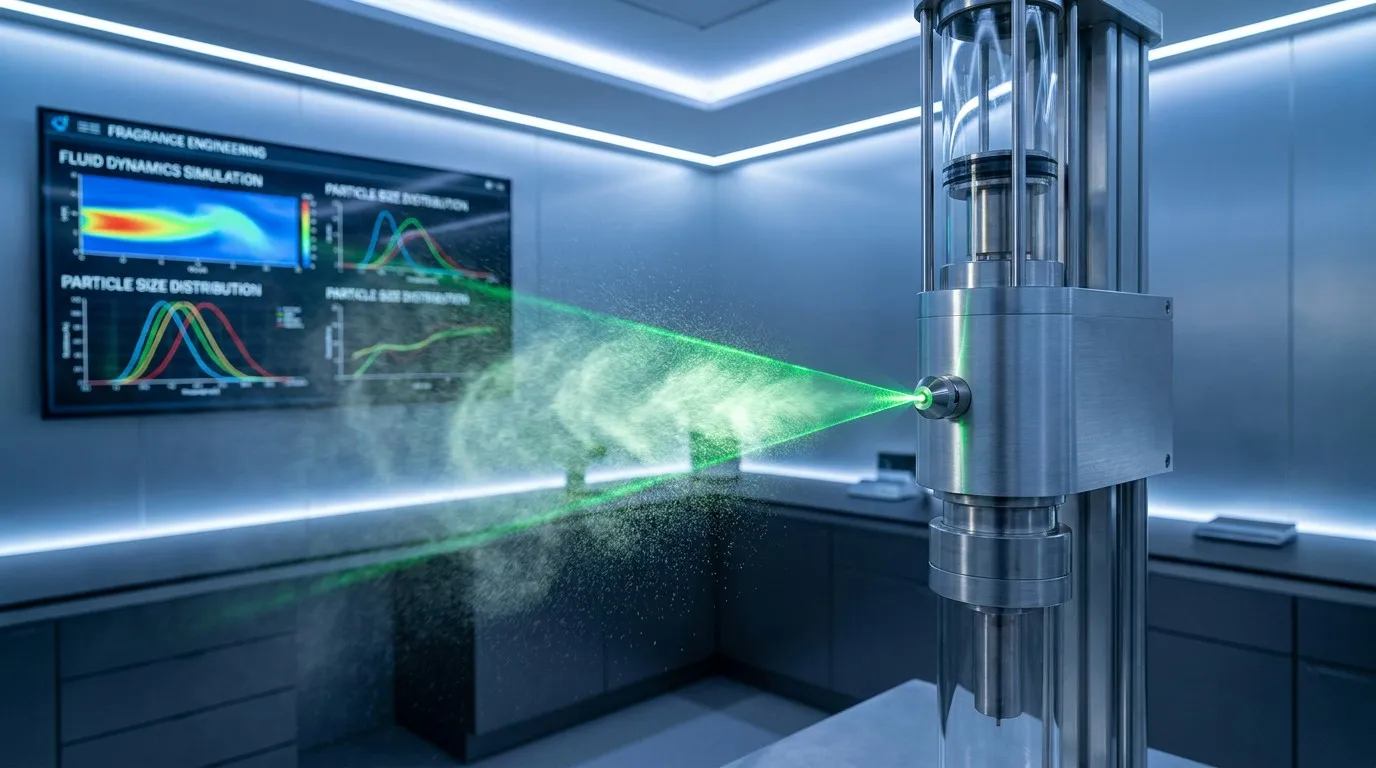
The core advantage of cold-air diffusion lies in particle size. Traditional diffusers can produce larger droplets that quickly settle on nearby surfaces. LoyalCrafts' nebulizers use high-pressure air streams to shear fragrance oils into sub-micron particles. These particles behave more like a gas than a visible mist, helping scent remain suspended and evenly distributed.
2. Preserving Molecular Integrity: Why Cold Matters
Fragrance oils are complex chemical matrices. Heat-based diffusion can accelerate oxidation and distort expensive natural isolates. Cold-air technology uses filtered, room-temperature air to atomize the oil, preserving the intended top, heart, and base notes.
3. HVAC Integration: The Venturi Effect in Action
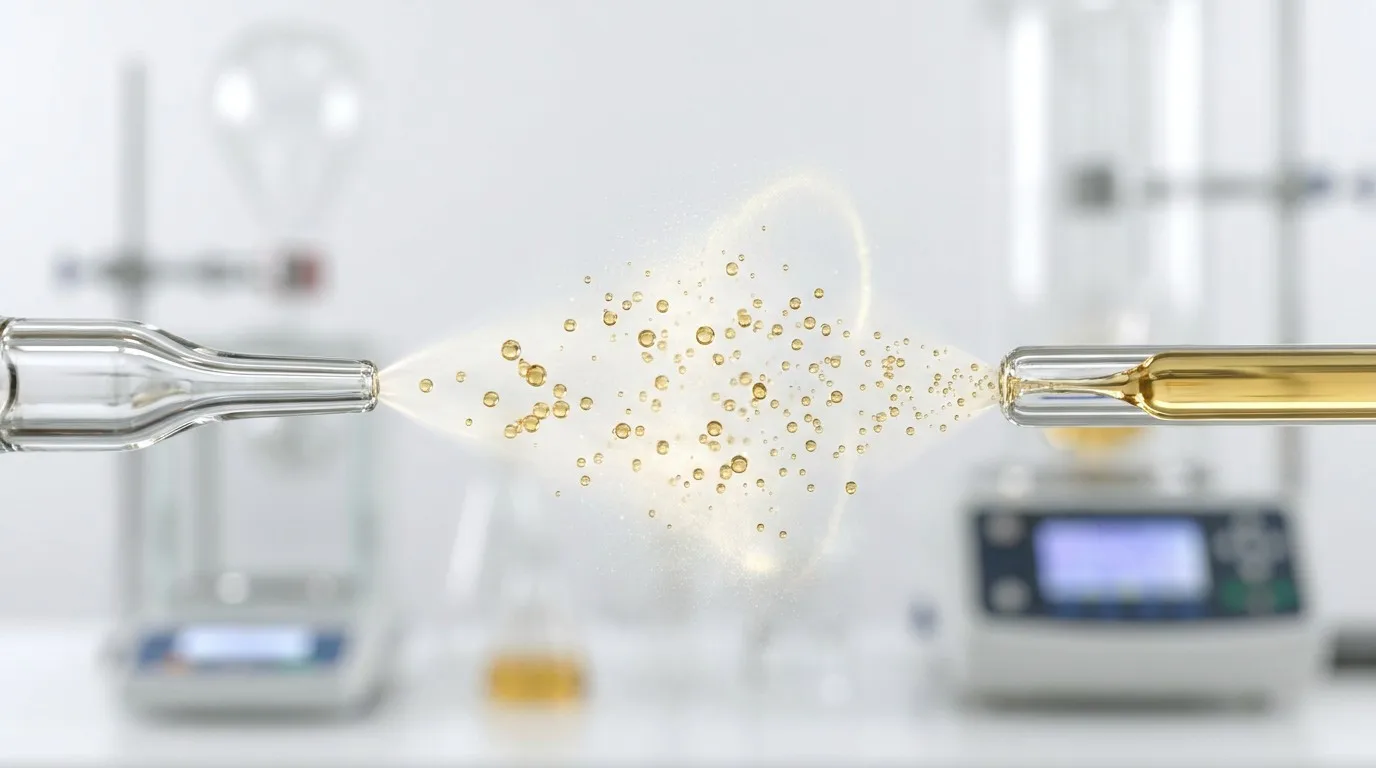
For large-scale B2B applications, scenting systems must integrate with building ventilation. By placing dry-mist output into high-velocity duct airflow, we use airflow pressure changes to distribute scent evenly across multiple zones without oil buildup, wet residue, or inconsistent fragrance pockets.
Conclusion: Engineering the Olfactory Experience
Luxury scenting depends on reliable technical standards, not guesswork. By partnering with LoyalCrafts, buyers gain access to an engineering lab focused on atomization, airflow, and olfactive stability. Let us help you engineer the invisible signature of your brand's global footprint.