Engineering Olfactive Stability: Navigating IFRA 52nd Amendment with Bio-Based Molecular Carriers in B2B Fragrance Sourcing (2027)
2027 Technical Compliance Summary
- IFRA 52nd Amendment: New restrictions on 12 key aromatic molecules, requiring precision reformulation for global market entry.
- Bio-Based Carriers: Transitioning from traditional ethanol to glycerin-derived solvents for enhanced molecular stability and VOC reduction.
- GC-MS Validation: Utilizing Gas Chromatography-Mass Spectrometry to ensure olfactory profiles remain consistent across batch variations.
- Stability Engineering: Solving the challenges of polarity matching in alcohol-free systems for high-viscosity fragrance oils.
- Sustainability ROI: Aligning B2B procurement with European Green Deal targets via biodegradable solvent systems.
In the high-stakes world of B2B fragrance manufacturing, the year 2027 marks a definitive shift. As the IFRA 52nd Amendment moves from consultation to full implementation, brand owners and procurement managers are facing a pivotal challenge: how to maintain the olfactory signature of established products while adhering to strict new safety and concentration limits. At LoyalCrafts, we believe the answer lies at the intersection of regulatory intelligence and advanced Molecular Engineering.
This technical guide outlines the protocols required to navigate these new restrictions using bio-based molecular carriers and how LoyalCrafts' R&D laboratory is leading the industry in stable, compliant reformulation.
1. Decoding the IFRA 52nd Amendment: The Technical Impact
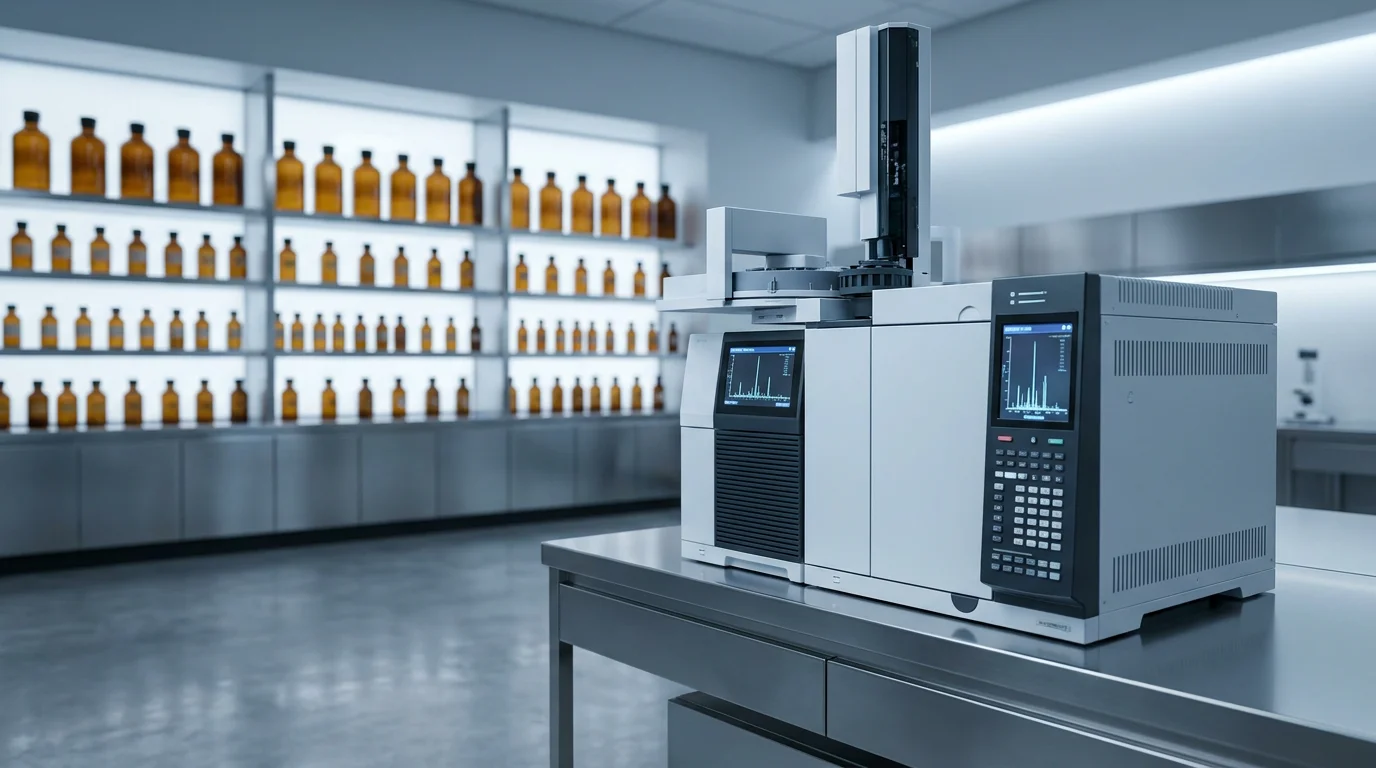
The 52nd Amendment introduces unprecedented concentration limits for several widely used aromatic isolates—particularly those derived from certain botanical extracts. For global brands, this means that formulas optimized for the previous decade are now at risk of non-compliance. Our laboratory in Jinhua utilizes High-Resolution Mass Spectrometry to identify these sensitive molecules at the parts-per-million (PPM) level, ensuring that every B2B batch exported meets the specific criteria of the target destination.
2. Bio-Based Molecular Carriers: The Future of Stability
The transition toward alcohol-free and low-VOC formulations has accelerated the adoption of bio-based carriers. However, these solvents (such as those derived from non-GMO glycerin) present unique physical challenges, including different evaporation rates and polarity indices compared to ethanol. Our R&D team has developed a proprietary Polarity Matching Matrix, which ensures that high-density fragrance oils remain fully solubilized without clouding or precipitation over a 24-month shelf life.

3. LoyalCrafts R&D Protocols: Engineering Precision
To ensure that a reformulated scent throw (sillage) and longevity match the original vision, we employ a three-stage validation process:
- Olfactory Deconstruction: Mapping the original formula's volatility curve.
- Isolate Substitution: Selecting IFRA-compliant alternatives with identical olfactory impact.
- Thermal Stress Testing: Accelerating aging at 45°C to verify molecular integrity under extreme logistics conditions.
Conclusion: Reliable Manufacturing in a Regulated Era
In 2027, fragrance manufacturing is no longer just about scent—it is about the engineering of trust. By prioritizing IFRA 52nd Amendment compliance and bio-based innovation, LoyalCrafts ensures that our B2B partners can scale with confidence. Future-proof your fragrance line today by partnering with a laboratory that understands the chemistry of compliance.