The Physics of Odor Neutralization: Engineering High-Performance Scented Dehumidifiers for Korea's B2B Market
Odor Neutralization Technical Blueprint
- Molecular Trapping: Using zinc ricinoleate and modified cyclodextrins to bind sulfur and nitrogen-based malodor molecules.
- Micro-Encapsulation: Protecting fragrance oils from oxidation in high-humidity environments.
- Hygroscopic Kinetics: Balancing calcium chloride moisture absorption with controlled fragrance release.
- Anti-Musty Engineering: Building clean cotton, tea tree, and hinoki profiles for a perception of hygiene and freshness.
- Environmental Compliance: Preparing formulas and documents for Korean and wider East Asian retail requirements.
For B2B brands in South Korea, seasonal humidity creates both a product challenge and a market opportunity. Modern consumers expect moisture absorbers to do more than collect water. They want products that reduce musty odor, look refined in wardrobes, and maintain a clean scent for weeks.
At LoyalCrafts, we approach malodor as a chemistry problem. Our R&D laboratory combines dehumidification, fragrance stability, and odor-neutralizing ingredients into one engineered air-care system.
1. The Chemistry of the Molecular Trap
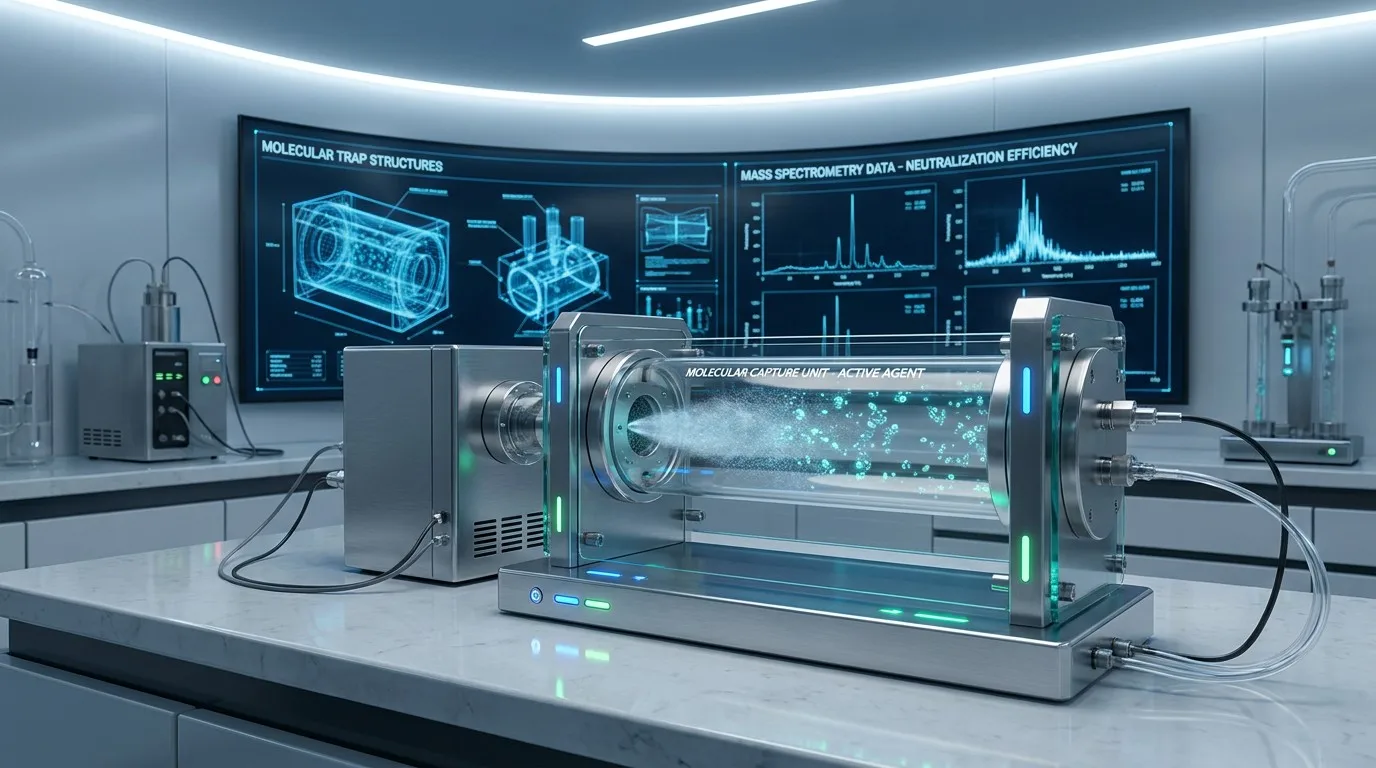
Malodors in humid environments are often caused by volatile compounds such as hydrogen sulfide and ammonia. Heavy perfume can mask these notes for a short time, but it does not remove the source. We use zinc ricinoleate and modified cyclodextrins to help bind odor molecules and reduce their volatility.
2. Micro-Encapsulation: Protecting Fragrance Integrity
High humidity can oxidize fragrance oil and turn a fresh scent into a muddy or metallic smell. LoyalCrafts uses polymeric micro-encapsulation to protect fragrance droplets in a semi-permeable shell. This supports a more linear 30 to 60 day release curve inside wardrobes, shoe cabinets, and storage areas.
3. Balancing Hygroscopicity and Diffusion
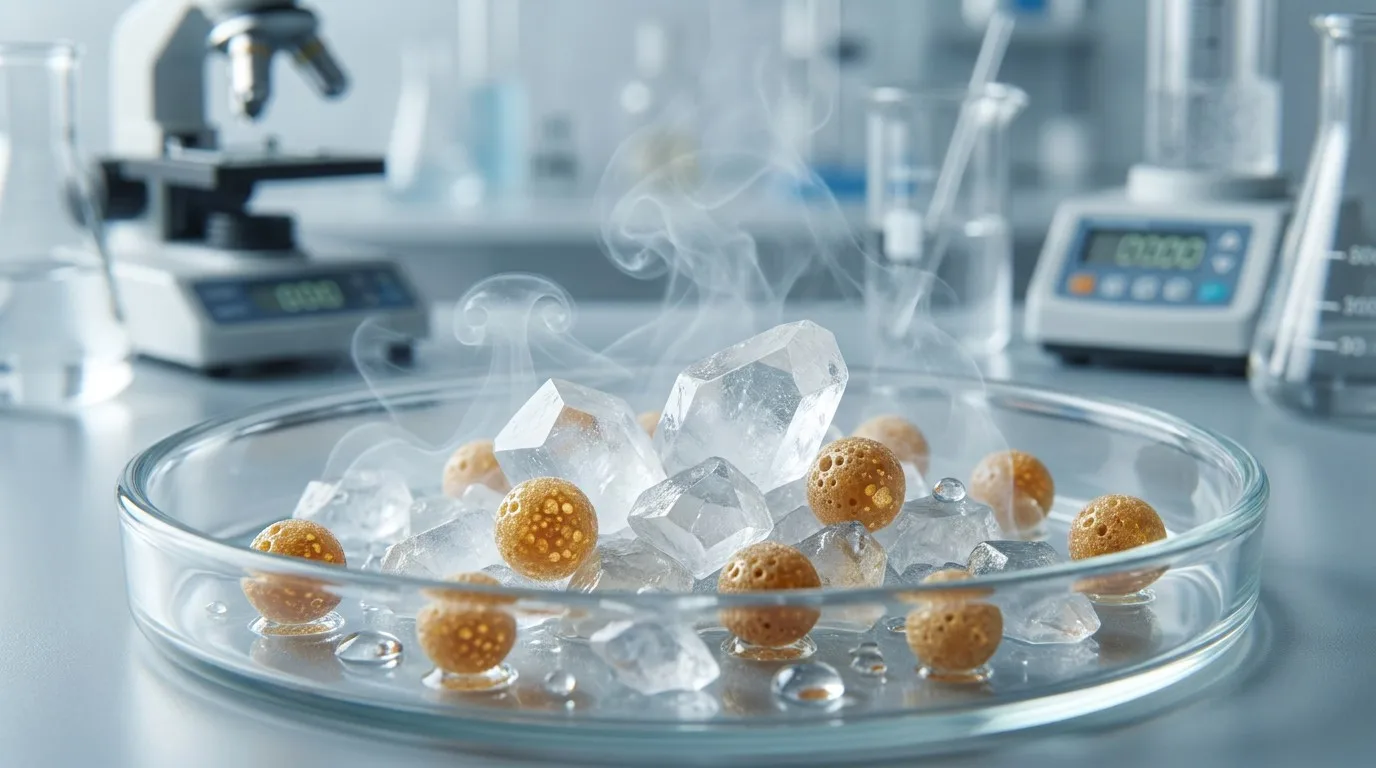
The core of many dehumidifiers is anhydrous calcium chloride. As crystals absorb water and become brine, conventional fragrance beads can lose performance. We use a layered carrier system so scent and odor-neutralizing agents continue to work as moisture absorption progresses.
Conclusion: Engineering Trust for Premium Brands
The most successful scented dehumidifiers combine moisture control, odor chemistry, fragrance stability, and packaging discipline. By partnering with Jinhua Loyal Crafts, buyers gain access to a laboratory that treats air care as a performance system, not a simple scented accessory.