Why Your Reed Diffuser Turns Yellow: Identifying and Preventing Scent Discoloration in Mass Production
Anti-Discoloration Production Checklist
- The Vanillin Factor: Identifying high-risk aromatic molecules that trigger oxidation and browning reactions.
- UV Shielding: Precision calibration of Benzophenone and Triazine derivatives to absorb wavelengths between 290nm and 400nm.
- Chelating Agents: Implementing EDTA-based solutions to prevent metal ion contamination from production equipment.
- Antioxidant Matrix: Utilizing synergistic blends of BHT and Tocopherol (Vitamin E) for long-term liquid stability.
- Accelerated QC: LoyalCrafts' 48-hour UV-light stress test protocol to ensure batch-to-batch visual consistency.
In the high-stakes world of B2B fragrance sourcing, a product's visual aesthetic is just as critical as its olfactory profile. For luxury brands using transparent glass bottles, fragrance discoloration is one of the most common quality complaints. A liquid that leaves the factory crystal clear but arrives at the retail shelf looking yellow or brown can destroy consumer trust. At LoyalCrafts, we treat discoloration not as a random occurrence, but as a manufacturing challenge that requires a rigorous engineering solution.
This technical guide explains how B2B buyers can identify, test, and prevent scent discoloration in large-scale reed diffuser and home fragrance production runs.
1. The Primary Culprits: Vanillin and Schiff Bases
Most discoloration in high-end fragrances is caused by specific ingredients required for complex scent profiles. Vanillin, some aldehydes, and certain nitrogen-containing compounds can darken when exposed to oxygen, heat, or light. In our Jinhua factory, every formula is screened before production so high-risk molecules can be adjusted, buffered, or protected with the right stabilizer system.
2. UV Shielding: Calibrating for the Retail Environment
Ambient light is a catalyst for chemical degradation. When fragrance molecules absorb UV energy, they enter an excited state that can lead to oxidation. LoyalCrafts uses UV stabilizer systems that absorb harmful light before it reaches the fragrance oil. The dosage is calibrated against bottle glass thickness, formula sensitivity, and the target retail environment so the reed diffuser keeps a clear appearance through storage and shelf life.
3. LoyalCrafts QC Protocol: Accelerated Aging
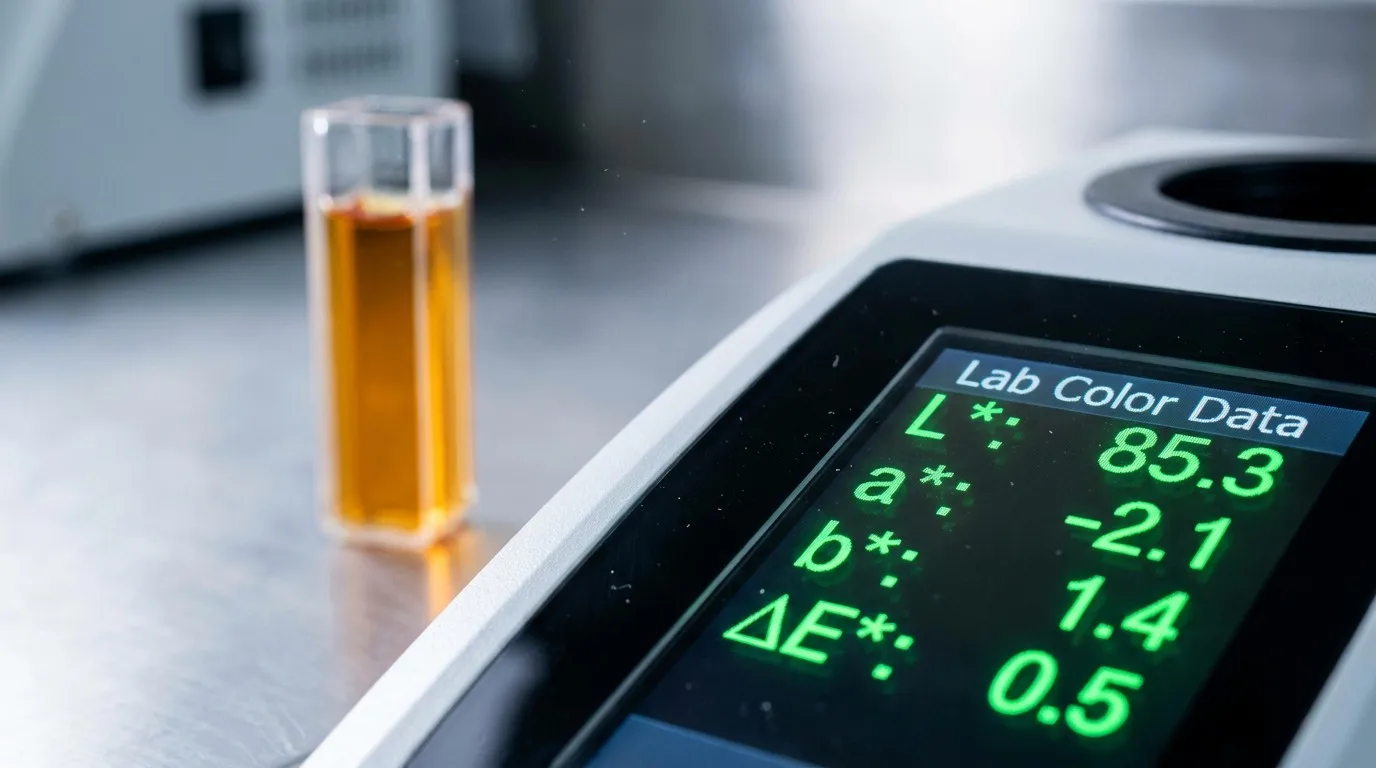
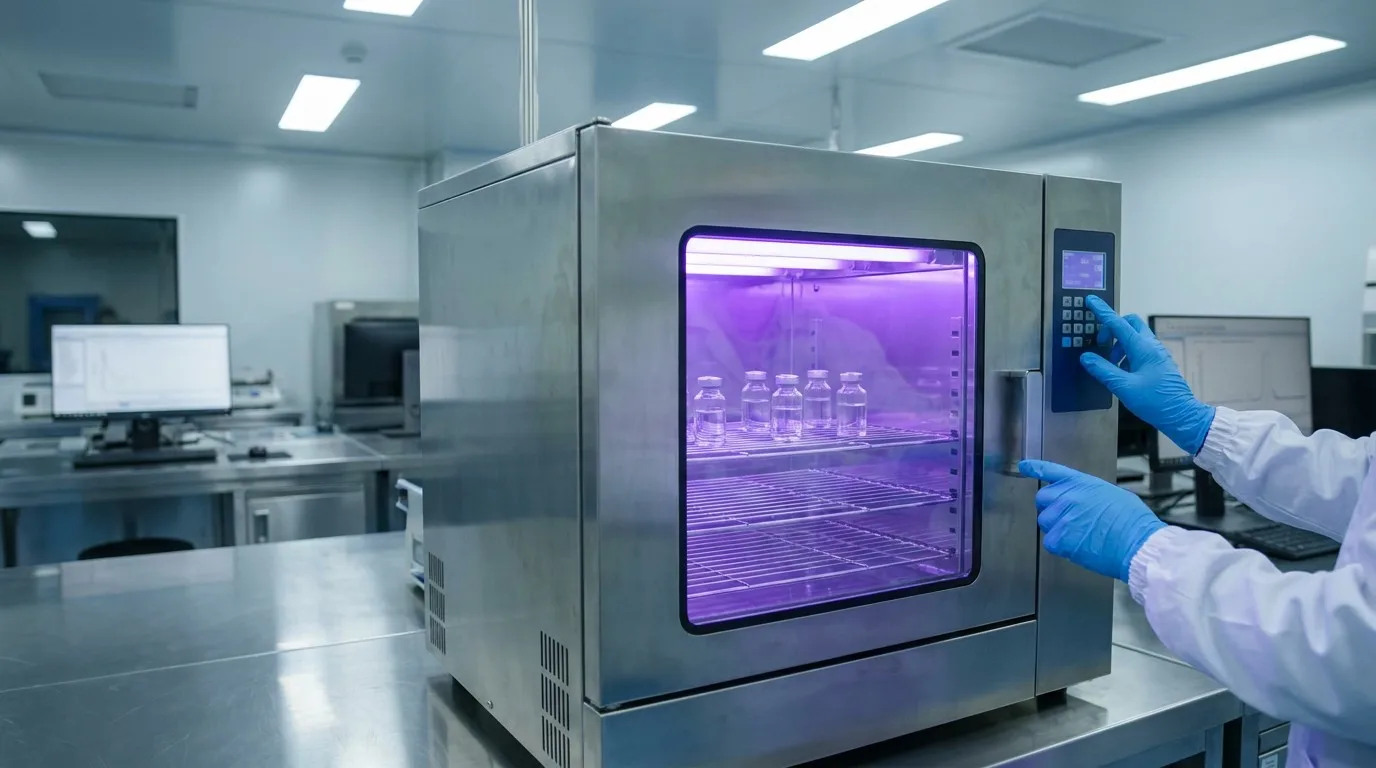
How do we guarantee consistency across 1,000,000 units? Our quality control protocol includes a 48-hour Accelerated Aging Test in a dedicated UV chamber. Every production batch is subjected to high-intensity UV exposure and thermal cycling. We use a digital spectrophotometer to measure the 'Delta E'—the total color difference—to ensure that even the slightest visual shift is caught before the product is palletized and shipped.
Conclusion: Engineering Visual Reliability
Discoloration is a solvable engineering problem. By partnering with a manufacturer that prioritizes practical R&D and rigorous production QC, you protect your brand from the visual flaws that lead to retail returns. Jinhua Loyal Crafts provides the technical infrastructure to ensure your products look as perfect as they smell. Secure your production quality today.